Off the clock
Games
Before the data stories, I helped make games. Two shipped. The third is on my desk.
1996 / Serendipity Software
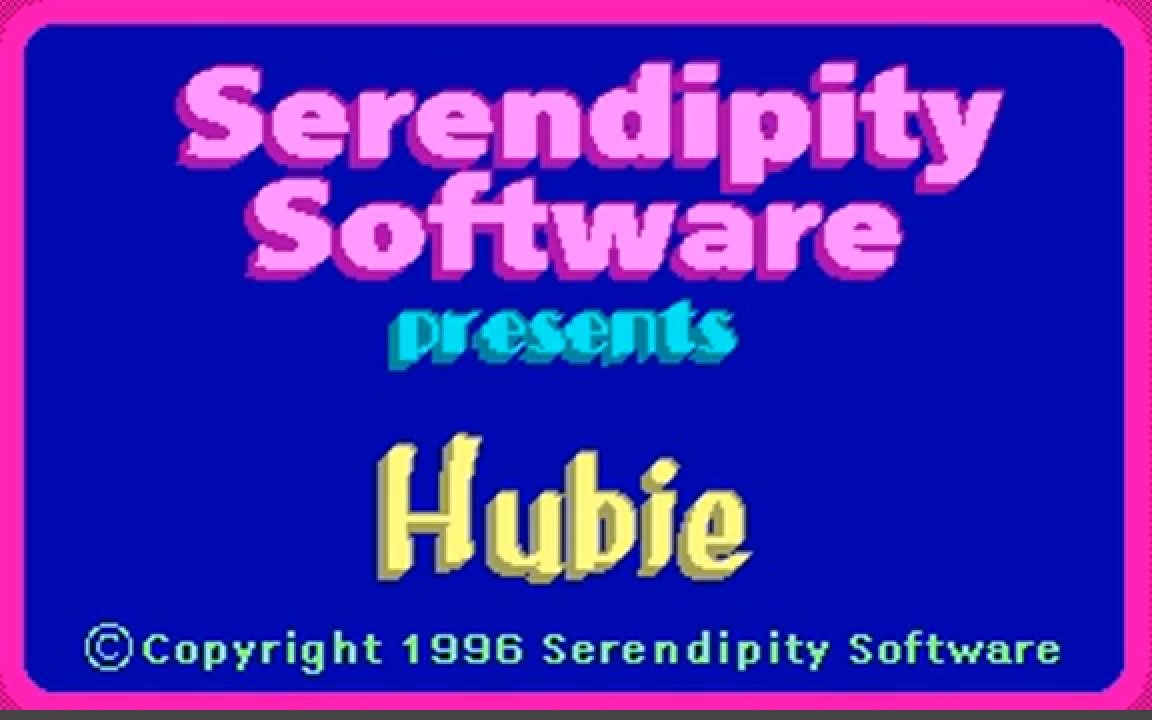
Hubie
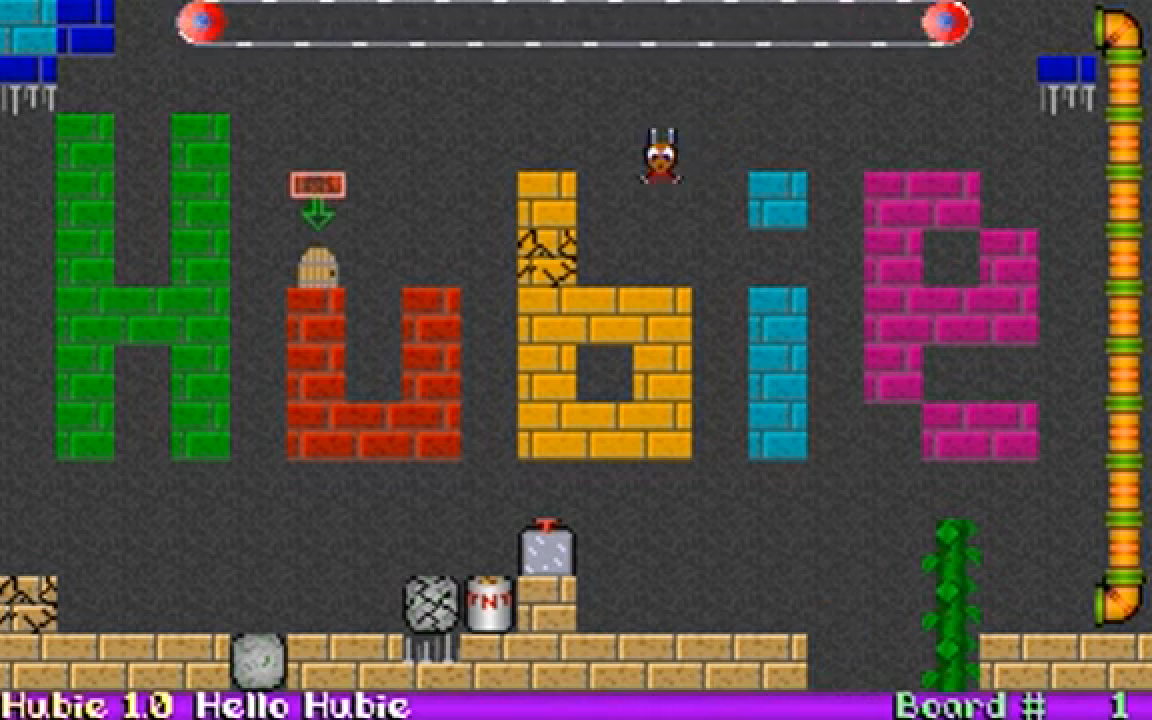
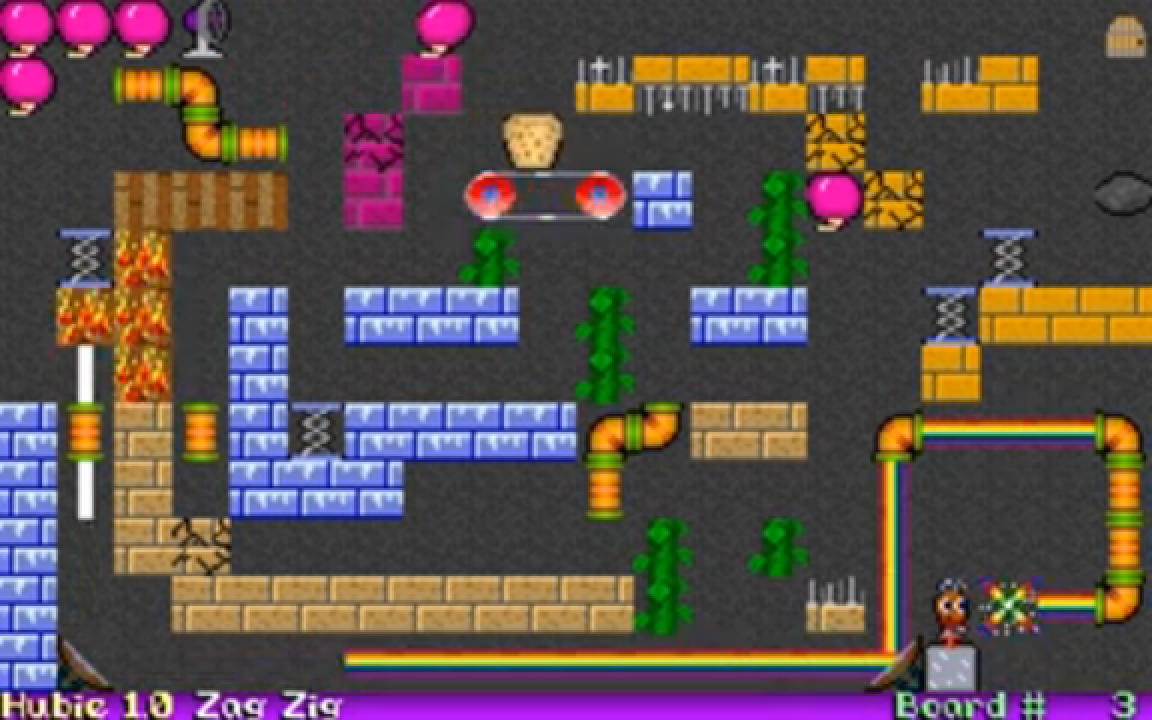
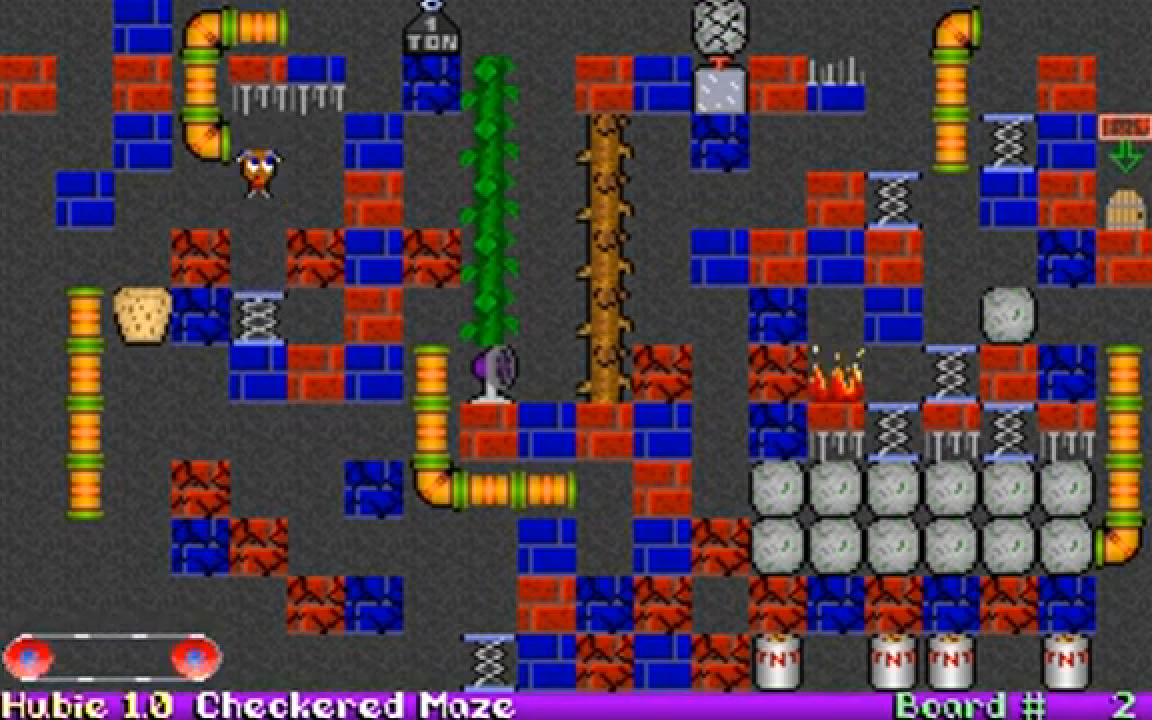
A cheerful pixel-art puzzle game from the DOS days. Each board is a maze of bricks, pipes, springs, balloons and rainbow tracks to work through, from the first one, “Hello Hubie,” onward.
Hubie is free, and it was recently updated to run on modern computers. A download link is coming to this page.
2010 / Composite Studios
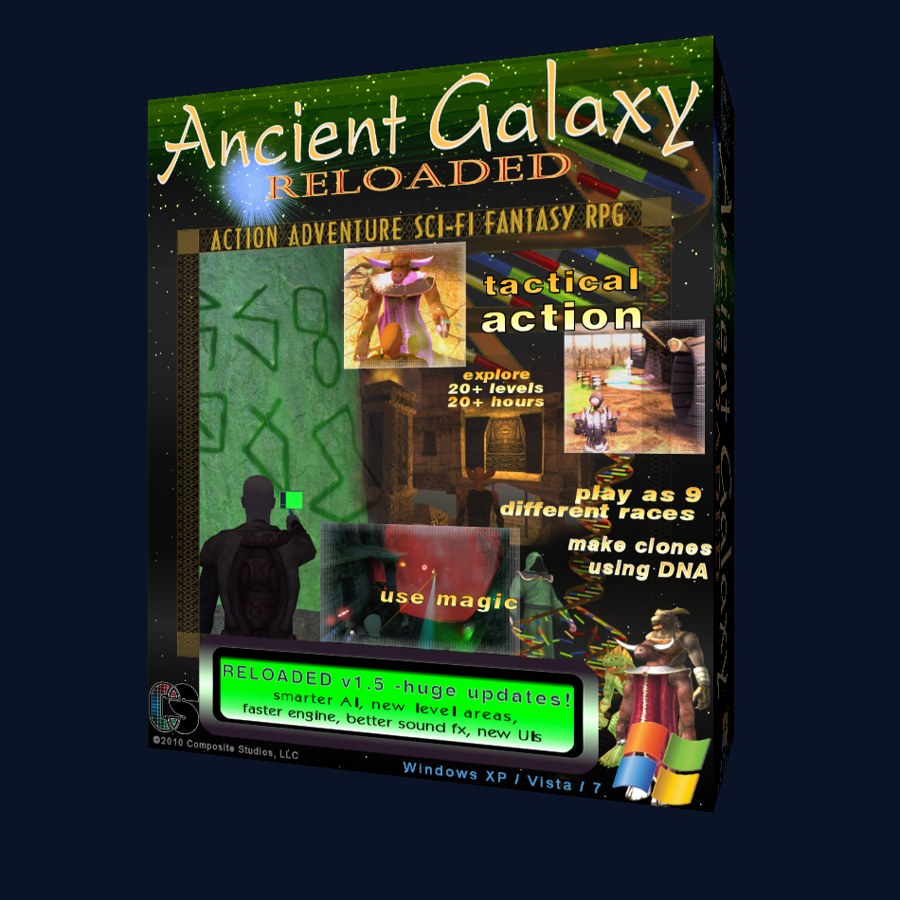
Ancient Galaxy Reloaded
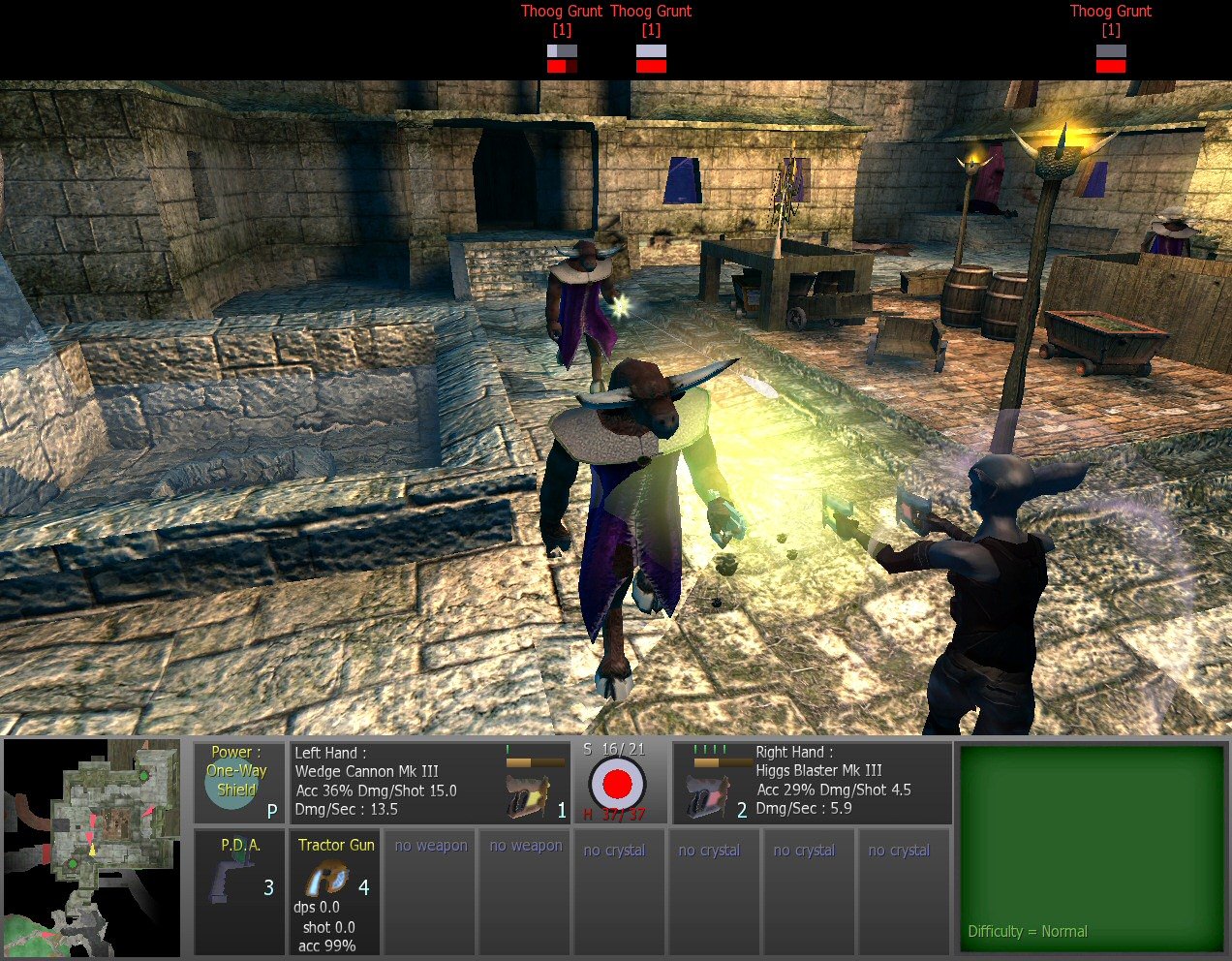
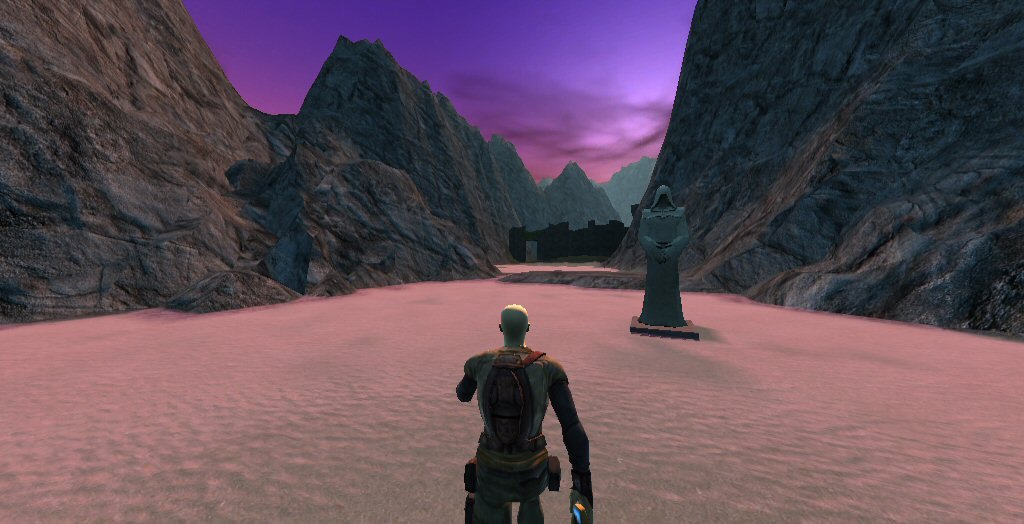
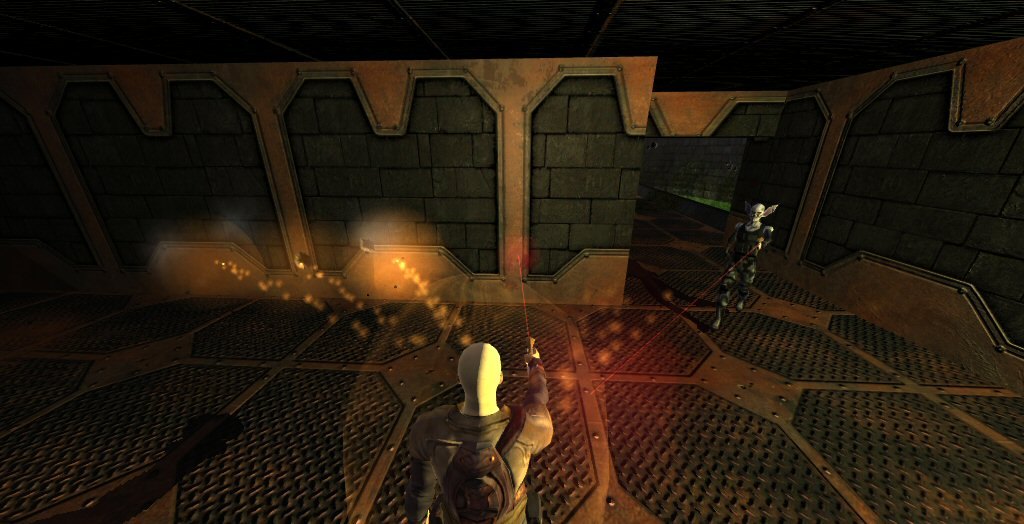
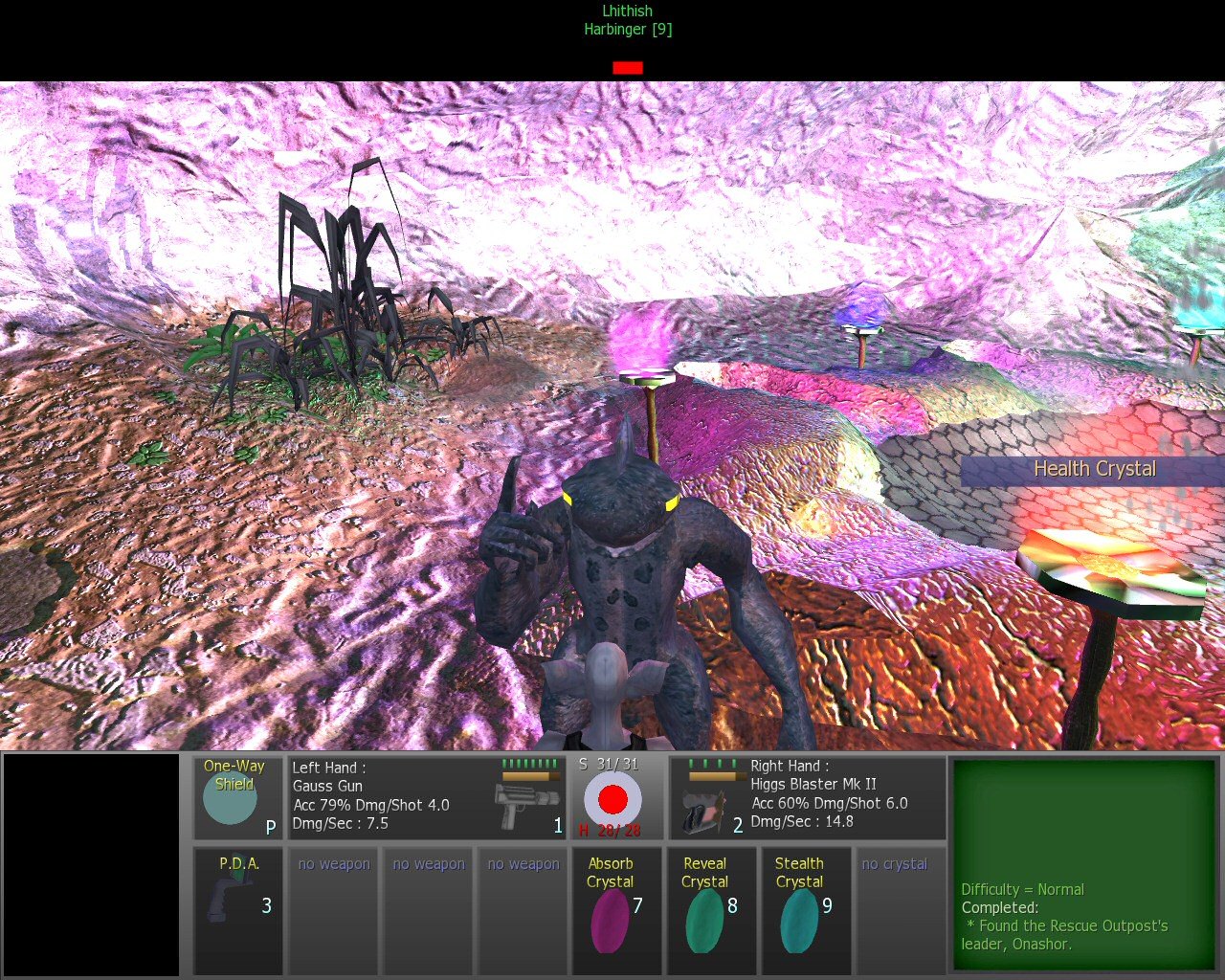
A 3D action-adventure role-playing game that mixes science fiction with fantasy. You play as any of nine races, explore more than 20 levels, use magic, and make clones from DNA.
Version 1.5, “Reloaded,” added smarter enemies, new level areas, a faster engine, better sound and new interfaces. The game is no longer sold.
In development / working title
Blind Commit
A two-player tactics game where you don’t just move your pieces, you program them. Both players set their orders in secret, commit at the same moment, and watch the round play out. Every piece hides what it really is until you scan it, so the game is about reading a hidden opponent and building a threat they won’t see coming.
A working two-screen prototype exists. The design is paused while I focus on data stories.
Why games are on a data analyst’s site
Game design is modeling. A game’s balance lives in spreadsheets of stats, probabilities and playtest results, and it only works when you test the model and change it when the evidence says so. That’s the same habit behind every data story here.